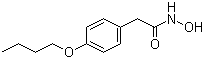
Developed in the mid-20th century, bufexamac emerged as a result of systematic exploration into novel compounds with anti-inflammatory properties. Its synthesis involved intricate chemical modifications and optimization to enhance its efficacy and safety profile, leading to the creation of a potent therapeutic agent with diverse applications.
Bufexamac is widely used as a topical anti-inflammatory agent for the treatment of various inflammatory skin conditions, including eczema, dermatitis, and pruritus. Its mechanism of action involves inhibiting the synthesis of inflammatory mediators such as prostaglandins and leukotrienes, thereby reducing inflammation, redness, and itching associated with these dermatological disorders. Bufexamac's anti-inflammatory properties make it effective in the management of hemorrhoids, a common condition characterized by swollen and inflamed blood vessels in the rectal area. Topical formulations containing bufexamac provide relief from pain, swelling, and discomfort associated with hemorrhoids, promoting healing and alleviating symptoms. Bufexamac-containing creams and ointments are often used to soothe and relieve sunburn symptoms, including pain, redness, and inflammation. Bufexamac accelerates wound healing by reducing inflammation and promoting tissue repair processes. Topical application of bufexamac to wounds and minor skin injuries aids in reducing swelling, preventing infection, and facilitating the formation of granulation tissue, leading to faster healing and reduced scarring. Bufexamac exhibits mild analgesic properties, offering relief from pain associated with inflammatory skin conditions, sunburn, and minor injuries. Its ability to alleviate pain complements its anti-inflammatory effects, providing comprehensive symptom relief for individuals experiencing discomfort due to various dermatological issues.
References
2023. A preclinical secondary pharmacology resource illuminates target-adverse drug reaction associations of marketed drugs. *Nature Communications*, 14(1).
DOI: 10.1038/s41467-023-40064-9
1975. Contact sensitivity to bufexamac. *Contact Dermatitis*, 1(4).
DOI: 10.1111/j.1600-0536.1975.tb05419.x
2021. Contact Dermatitis: Overcoming Challenges of Specific Patients, Deciphering the Results and Reaching a Correct Diagnosis. *Allergic Diseases - From Basic Mechanisms to Comprehensive Management and Prevention*.
DOI: 10.1007/164_2021_481
|




 GHS07 Warning Details
 chemBlink Chemical Story