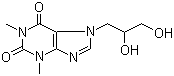
Diprophylline is a chemical compound that belongs to the class of xanthine derivatives, which also includes well-known compounds such as caffeine, theophylline, and theobromine. It is an active ingredient used primarily for its bronchodilatory effects, making it useful in the treatment of respiratory conditions such as asthma and chronic obstructive pulmonary disease (COPD). Diprophylline is often employed in the management of symptoms related to these conditions by promoting the relaxation of bronchial smooth muscles, thereby improving airflow and easing breathing.
The compound is structurally related to theophylline, a common medication used for similar purposes. However, diprophylline has certain advantages in terms of pharmacokinetics, such as a lower incidence of side effects. This has led to its use as an alternative bronchodilator in some cases, although theophylline remains the more widely used agent in clinical practice.
Diprophylline works through the inhibition of phosphodiesterase enzymes, which leads to an increase in cyclic adenosine monophosphate (cAMP) levels within cells. Elevated cAMP levels, in turn, activate protein kinase A (PKA), which results in the relaxation of smooth muscle in the lungs. This mechanism helps to open up airways, making it easier for patients with respiratory conditions to breathe. Diprophylline also exerts mild anti-inflammatory effects, which can contribute to the alleviation of symptoms in conditions like asthma and COPD.
Apart from its bronchodilatory action, diprophylline has been studied for its potential to improve heart function and reduce inflammation. It has been considered in combination therapies aimed at reducing the symptoms of cardiovascular conditions and improving overall pulmonary health. However, it is not as widely studied or used as other xanthine derivatives like theophylline, which has a more established role in the treatment of chronic respiratory disorders.
Diprophylline is typically administered orally or intravenously, depending on the severity of the condition being treated. In addition to its primary use in asthma and COPD management, the compound has been explored for its potential in the treatment of other diseases, particularly those involving respiratory difficulties. However, its use remains somewhat limited compared to other bronchodilators.
Despite its therapeutic benefits, diprophylline can have side effects, although these are generally less severe than those associated with theophylline. Some of the potential side effects include nausea, dizziness, and headaches. As with all medications, it is important for patients to use diprophylline under the guidance of a healthcare provider to ensure its safe and effective use.
In summary, diprophylline is a bronchodilator that is mainly used to treat respiratory conditions such as asthma and COPD. Its mechanism of action, side effect profile, and pharmacokinetics make it a useful alternative to other xanthine derivatives in certain clinical situations. However, its use remains less widespread than other more established treatments in the same class.
References
1957. Trial of Drugs for Angina of Effort: The Oral Use of Dihydroxypropyltheophylline and Aminophylline. Scottish Medical Journal, 2(1).
DOI: 10.1177/003693305700200102
1958. Trial of Drugs for Angina of Effort: The Oral Use of Pentaerythritol Tetranitrate, Including a Comparison with Aminophylline and Dihydroxypropyltheophylline. Scottish Medical Journal, 3(1).
DOI: 10.1177/003693305800300102
|




 GHS07 Warning Details
 chemBlink Chemical Story