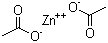
Zinc acetate, a versatile compound with the chemical formula Zn(C₂H₃O₂)₂, has been widely studied for its properties and applications. It was initially recognized in the 19th century when zinc salts were first being explored for various industrial and medical purposes. Zinc acetate typically appears as a white crystalline solid that is highly soluble in water and is often found in its dihydrate form, Zn(CH₃COO)₂·2H₂O. The compound has attracted considerable attention for its roles in the pharmaceutical industry, chemical synthesis, and as a dietary supplement due to zinc’s essential role in human health.
One of the primary applications of zinc acetate is in medicine. Zinc is crucial for immune function, wound healing, and cellular repair, making zinc acetate a valuable supplement and therapeutic agent. Zinc acetate is commonly used in lozenges to alleviate symptoms of the common cold, as it is believed to reduce the duration and severity of cold symptoms when taken early in the infection. The ionic zinc in lozenges is thought to inhibit the replication of cold viruses in the respiratory tract, thus providing relief. Furthermore, zinc acetate is often included in dermatological creams and ointments to aid in the treatment of acne, dermatitis, and other skin conditions due to its anti-inflammatory properties and ability to support skin healing.
In addition to its medicinal uses, zinc acetate serves as an important reagent in chemical synthesis. It acts as a catalyst in esterification and transesterification reactions, where it facilitates the formation of esters. These reactions are critical in producing plastics, fragrances, and pharmaceuticals. Zinc acetate’s ability to act as a Lewis acid makes it useful in various organic reactions, and its relatively mild nature allows for controlled reaction conditions in the laboratory and industry alike. Researchers also utilize zinc acetate in the preparation of zinc-based nanomaterials, which have applications in optoelectronics, sensors, and photocatalysis.
Zinc acetate is also used as a dietary supplement to provide a bioavailable form of zinc for individuals with deficiencies. Zinc deficiency is linked to weakened immunity, hair loss, and impaired wound healing. Zinc acetate is favored in supplements because it is easily absorbed and well-tolerated, with fewer gastrointestinal side effects than other zinc salts. This supplement form supports general health by contributing to enzyme function, protein synthesis, and DNA synthesis, all of which rely on adequate zinc levels.
Another significant application of zinc acetate is in textile and dyeing processes. It functions as a mordant, which is a substance that fixes dyes to fibers, enhancing colorfastness and allowing for a more vibrant appearance. The acetate ion in zinc acetate plays a role in binding the dye to fabric fibers, which prevents colors from fading with washing. Zinc acetate is particularly useful in synthetic fiber processing, where it contributes to both color vibrancy and fiber stability.
In the realm of environmental protection, zinc acetate has been employed in the preparation of chemical solutions for removing sulfur dioxide from industrial exhaust gases. This process, known as gas scrubbing, involves zinc acetate reacting with sulfur dioxide to form zinc sulfite, effectively reducing sulfur emissions and mitigating their harmful impact on the environment. This application highlights zinc acetate’s role in promoting cleaner industrial processes and reducing air pollution.
Overall, zinc acetate is a multifaceted compound with applications in healthcare, chemical manufacturing, textile dyeing, and environmental protection. Its mild toxicity and wide range of uses make it a valuable resource, provided that it is handled with appropriate safety precautions.
References
2023. Preparation of robust, water-resistant, antibacterial, and antioxidant chitosan-based films by incorporation of cinnamaldehyde-tannin acid-zinc acetate nanoparticles. Food Chemistry, 419.
DOI: 10.1016/j.foodchem.2023.136004
2023. Facile synthesis of zinc acetate/niacin MOFs for use in wound healing. Biomedical Materials, 18(4).
DOI: 10.1088/1748-605x/acdc74
2024. Explorations on the antiviral potential of zinc and magnesium salts against chikungunya virus: implications for therapeutics. Frontiers in Cellular and Infection Microbiology, 14.
DOI: 10.3389/fcimb.2024.1335189
|






 GHS05;GHS07;GHS09 Danger Details
 chemBlink Chemical Story