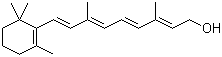
Retinol, also known as vitamin A1, is a fat-soluble vitamin that plays a crucial role in various physiological functions, including vision, immune function, and skin health. It is a member of the vitamin A family, which includes several compounds that exhibit vitamin A activity. Retinol itself is an alcohol form of vitamin A, and its active metabolites, such as retinal and retinoic acid, are responsible for the biological effects of vitamin A. Retinol is found in animal-derived foods, particularly in liver, fish oils, and dairy products. It can also be synthesized from carotenoids, particularly beta-carotene, found in plant-based foods such as carrots, spinach, and sweet potatoes.
The discovery of retinol dates back to the early 20th century when researchers first identified the essential role of vitamin A in maintaining healthy vision. In 1913, Elmer McCollum and Marguerite Davis isolated the substance from cod liver oil and determined its importance in preventing night blindness, a condition caused by a deficiency in vitamin A. This led to the identification of retinol as the active form of vitamin A. Over the following decades, extensive research revealed the diverse roles of retinol in human health, particularly its involvement in the regulation of gene expression, immune function, and cell growth.
Retinol is essential for maintaining healthy vision. It plays a vital role in the function of the retina, where it is converted into retinal, which is involved in the process of vision. Retinal binds to opsin proteins in the photoreceptor cells of the retina, forming rhodopsin, a light-sensitive molecule that allows for vision in low-light conditions. A deficiency in retinol or its active forms can lead to vision problems, including night blindness and, in severe cases, permanent blindness.
In addition to its role in vision, retinol is essential for the proper functioning of the immune system. It helps maintain the integrity of the skin and mucosal barriers, which serve as the body's first line of defense against pathogens. Retinol also influences the development and differentiation of immune cells, including T-cells and B-cells, thus enhancing the body's ability to fight infections. Furthermore, retinol is involved in the regulation of gene expression, influencing the development of various tissues and organs, particularly during embryonic development.
One of the most well-known applications of retinol is in dermatology, where it is used as a treatment for acne, wrinkles, and other skin conditions. Retinol and its derivatives, such as retinoic acid, are widely used in topical formulations to promote cell turnover, reduce the appearance of fine lines and wrinkles, and treat acne by preventing the clogging of pores. These compounds work by binding to nuclear receptors in skin cells, which regulate the expression of genes involved in skin cell differentiation, proliferation, and apoptosis. Retinol has been shown to increase collagen production, improve skin texture, and promote the healing of damaged skin.
Retinol is also commonly used in dietary supplements to prevent and treat vitamin A deficiency, which can lead to a range of health issues, including impaired immune function, growth retardation, and eye disorders. Vitamin A deficiency is particularly common in developing countries, where access to a varied diet is limited. Supplementation with retinol or beta-carotene has been shown to improve the health outcomes of individuals with vitamin A deficiency.
Despite its many benefits, excessive intake of retinol can lead to toxicity, a condition known as hypervitaminosis A. This can result in symptoms such as nausea, headache, dizziness, and, in severe cases, liver damage and bone abnormalities. Therefore, it is important to ensure that retinol is consumed within recommended limits, particularly in the form of supplements, where the concentration can be much higher than that found in food.
In conclusion, retinol is a vital nutrient with a wide range of applications in human health. Its discovery has significantly advanced our understanding of nutrition and health, and its uses extend from vision and immune function to dermatological treatments. As research continues, new applications of retinol and its derivatives may emerge, further solidifying its importance in medicine and wellness.
References
1979. 11-cis-Retinal-binding protein from bovine retina. Isolation and partial characterization. The Journal of biological chemistry, 254(18).
DOI: 10.1016/s0021-9258(19)86924-7
|





 GHS07;GHS08 Danger Details
 chemBlink Chemical Story