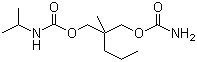
Carisoprodol was first synthesized in 1959 by Frank Berger at Wallace Laboratories (now part of Sanofi) in the United States. Initially, the drug was used as a potential preservative, and its muscle relaxant properties were quickly recognized in early trials. This discovery marked a pivotal moment in pharmacology and paved the way for further research into its therapeutic potential. Carisoprodol belongs to the class of carbamate compounds, formally known as 2-methyl-2-propyl-1,3-propanediol dicarbamate. It is a central skeletal muscle relaxant that works by altering neuronal communication within the reticular formation of the brain and spinal cord. By modulating neurotransmission, specifically inhibiting descending interneuronal activity in the reticular formation and spinal cord, carisoprodol relieves muscle spasms and associated discomfort.
Carisoprodol is primarily used to treat acute musculoskeletal disorders characterized by severe muscle spasms and pain. Its common indications include acute back pain, neck pain, and musculoskeletal injuries. Its rapid relief of muscle spasms makes it the first choice for short-term symptomatic treatment, often combined with rest and physical therapy.
Following oral administration, carisoprodol is rapidly absorbed from the gastrointestinal tract, with peak plasma concentrations reaching within 1 to 2 hours after administration. It undergoes hepatic metabolism by cytochrome P450 enzymes (primarily CYP2C19) to form meprobamate, a metabolite with additional pharmacological activity. Carisoprodol is classified as a Schedule IV controlled substance in the United States and is regulated in many countries due to its sedative properties and abuse potential.
Although generally well tolerated when used as directed, carisoprodol may cause somnolence, dizziness, and cognitive impairment, especially at higher doses or when used in combination with other CNS depressants. Long-term use is not recommended because of the potential for dependence and withdrawal symptoms if abruptly discontinued. Physicians must carefully evaluate individual patient factors, including medical history and concomitant medications, to mitigate potential risks and optimize treatment outcomes.
Ongoing research continues to explore new formulations and methods of administration of carisoprodol with the goal of improving efficacy, reducing side effects, and improving patient compliance. Challenges remain in balancing its efficacy with caution against abuse. Furthermore, efforts are underway to elucidate its full pharmacological potential and expand its application in related areas such as chronic pain management and neurological disorders.
References
2024. Skeletal Muscle Relaxants and Acute Pain. Perioperative Pain Management.
DOI: 10.1007/978-3-031-67648-2_41
2023. A preclinical secondary pharmacology resource illuminates target-adverse drug reaction associations of marketed drugs. Nature Communications, 14(1).
DOI: 10.1038/s41467-023-40064-9
|




 GHS07 Warning Details
 chemBlink Chemical Story