Ultraviolet Absorber UV 292, a compound with significant applications in the field of polymers and coatings, was developed to address the increasing need for effective ultraviolet (UV) radiation protection. The compound belongs to a class of organic compounds known as benzotriazoles, which are recognized for their ability to absorb UV radiation and prevent the degradation of materials exposed to sunlight. The discovery of UV 292 was driven by the growing awareness of the detrimental effects of UV radiation on various materials, including plastics, coatings, and fibers.
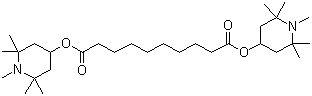
The chemical structure of UV 292 features a benzotriazole moiety, which is known for its strong absorption properties in the UV region. This structural characteristic enables UV 292 to effectively shield materials from harmful UV rays, thereby reducing the risk of photodegradation, yellowing, and loss of mechanical properties. The compound is typically synthesized through a multi-step chemical process involving the reaction of specific aromatic compounds with nitrogen-containing intermediates. This synthesis pathway allows for the production of UV 292 with high purity and optimal performance characteristics.
One of the primary applications of UV 292 is in the formulation of UV-stabilized plastics. When incorporated into polymer matrices, UV 292 enhances the longevity and durability of materials used in outdoor applications, such as automotive parts, construction materials, and consumer goods. Its ability to absorb UV radiation helps to mitigate the effects of weathering, thereby prolonging the service life of products and maintaining their aesthetic qualities. This makes UV 292 particularly valuable in industries where prolonged exposure to sunlight is inevitable.
In addition to its role in plastics, UV 292 is widely used in the coatings industry. The compound is incorporated into paint formulations and surface coatings to provide protection against UV radiation, which can cause color fading and deterioration of the coating film. By integrating UV 292 into coatings, manufacturers can enhance the performance of their products, ensuring they remain visually appealing and functionally effective over time. This application is crucial for architectural coatings, automotive finishes, and industrial coatings where UV stability is a key requirement.
Furthermore, UV 292 has found utility in the field of textiles. The compound is added to fibers and fabrics to enhance their UV resistance, making them suitable for outdoor applications such as awnings, outdoor furniture, and sportswear. The incorporation of UV 292 helps to prevent the degradation of fibers caused by UV exposure, maintaining the integrity and appearance of textile products. This application is particularly important in regions with high levels of sun exposure, where textiles are at risk of fading and weakening.
Safety and environmental considerations are essential when using UV absorbers like UV 292. Regulatory guidelines may dictate the allowable levels of such compounds in consumer products, and manufacturers are encouraged to follow best practices for safe handling and use. Ongoing research into the environmental impact of UV absorbers also drives the development of alternative materials and formulations that can offer similar benefits while minimizing potential risks.
In conclusion, Ultraviolet Absorber UV 292 is a crucial compound in the fight against UV-induced degradation in various materials. Its discovery and development have provided significant benefits across multiple industries, including plastics, coatings, and textiles. As the demand for UV-resistant materials continues to grow, the role of UV 292 in enhancing product longevity and performance remains vital, ensuring that materials can withstand the challenges posed by prolonged sun exposure.
|



 GHS07;GHS09 Warning Details
 Discovory and Applicatios