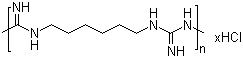
Poly(hexamethylenebiguanide) hydrochloride, commonly known as PHMB, is an antimicrobial polymer that has gained widespread use in various applications due to its broad-spectrum efficacy and safety profile. The discovery of PHMB dates back to the mid-20th century, during research into polymeric biguanides, which were initially developed for their potential in water treatment and antiseptic applications. PHMB is synthesized by polymerizing hexamethylenediamine with biguanide, followed by conversion into its hydrochloride salt. This results in a water-soluble polymer that exhibits strong antimicrobial properties against a wide range of bacteria, fungi, and viruses.
The structure of PHMB features repeating biguanide groups linked by hexamethylene chains. The biguanide groups are responsible for the polymer's antimicrobial activity, as they interact with the negatively charged microbial cell membranes, leading to membrane disruption and eventual cell death. PHMB's efficacy as an antimicrobial agent is due to its ability to disrupt cell membranes without causing significant toxicity to human cells, making it a highly effective and safe disinfectant.
One of the primary applications of PHMB is in wound care, where it is used as a key ingredient in antiseptic solutions, dressings, and wound gels. The antimicrobial properties of PHMB help to prevent infections in wounds and promote healing by reducing the microbial load. Its safety and efficacy have led to its widespread use in hospitals and clinics, where it is used to treat acute and chronic wounds, burns, and surgical incisions. PHMB-based wound care products are valued for their ability to maintain a moist wound environment while providing continuous antimicrobial protection, which is essential for effective wound management.
PHMB is also widely used as a preservative in personal care products such as contact lens solutions, cosmetics, and skin cleansers. In these applications, PHMB prevents the growth of harmful microorganisms that could cause infections or spoilage. Its compatibility with various formulations, along with its low toxicity, makes it an ideal preservative for products that come into contact with the skin or eyes. In contact lens solutions, PHMB ensures that lenses remain free of microbial contamination, thereby reducing the risk of eye infections and ensuring the safety of contact lens wearers.
In the textile industry, PHMB is used to impart antimicrobial properties to fabrics. Treated textiles, such as hospital linens, uniforms, and sportswear, benefit from long-lasting protection against bacteria and odors. This application is particularly important in healthcare settings, where maintaining a sterile environment is crucial for preventing the spread of infections. PHMB-treated fabrics are also used in everyday products like household items and activewear, where they help to reduce odor and prolong the freshness of the fabric.
Water treatment is another significant application of PHMB, where it is used to control microbial growth in swimming pools, drinking water systems, and industrial water processes. PHMB’s stability and effectiveness in various pH conditions make it a reliable biocide for maintaining water quality and preventing the growth of harmful microorganisms. Its use in water treatment highlights its versatility and effectiveness as an antimicrobial agent across different environments.
Ongoing research into PHMB focuses on expanding its applications and improving its effectiveness. Studies are exploring its use in new medical devices, advanced wound care products, and even in agriculture for crop protection. The continued development of PHMB-based technologies underscores its importance as a versatile and powerful antimicrobial agent with applications across numerous industries.
References
none
|






 GHS05;GHS06;GHS07;GHS08;GHS09 Danger Details
 Discovery and Applications