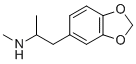
3,4-Methylenedioxymethamphetamine, commonly known as MDMA or ecstasy, is a psychoactive drug. MDMA was first synthesized in 1912 by the German pharmaceutical company Merck. It was initially studied as a potential precursor to drugs for controlling bleeding. It was not until the 1970s that the psychoactive properties of MDMA began to be explored. American chemist Alexander Shulgin synthesized MDMA and noted its potential therapeutic benefits, particularly in psychotherapy. Shulgin's work sparked interest in the drug's ability to enhance emotional communication and facilitate the therapeutic process. MDMA is a derivative of phenylethylamine, structurally related to both stimulants and hallucinogens. The presence of a methylenedioxy ring distinguishes MDMA from other amphetamines and gives it unique pharmacological properties. The addition of a methyl group to the nitrogen atom enhances its psychoactive properties.
In the 1970s and 1980s, MDMA was used in psychotherapy to promote emotional openness and communication, particularly in patients with trauma or PTSD. Therapists have found that MDMA can reduce anxiety and fear, allowing patients to face and process difficult emotions. Recent clinical trials have explored the use of MDMA as an adjunct to psychotherapy for PTSD, showing promising results. MDMA is thought to enhance the therapeutic process by increasing empathy, trust, and emotional connection, significantly improving PTSD symptoms.
MDMA became popular as a recreational drug in the 1980s, especially in the rave and dance music scenes. Users seek its euphoric and empathetic effects, often described as enhancing feelings of connection and reducing social inhibitions. MDMA, commonly known as ecstasy, Molly, or E, is sold in a variety of forms, including tablets and capsules. It is a popular recreational drug used in nightlife and festival settings.
MDMA works primarily by increasing the release of serotonin, dopamine, and norepinephrine in the brain, resulting in elevated mood, heightened sensory perception, and increased energy. Research into its mechanisms has provided valuable insights into the neurotransmitter systems involved in emotion regulation and social behavior. Research has also focused on the potential neurotoxic effects of MDMA, especially with long-term or high-dose use. Studies have shown that MDMA can cause serotonin depletion and damage serotonergic neurons, raising concerns about its long-term effects on brain function and mental health.
Due to its high potential for abuse and lack of recognized medical uses in some regions, MDMA is classified as a Schedule I controlled substance in the United States and many other countries. This classification imposes strict regulations on its manufacture, distribution, and use. However. Interest in its therapeutic potential remains high. The FDA has agreed to MDMA-assisted psychotherapy for PTSD, allowing for expanded clinical trials and research under controlled conditions.
References
Michael N. Gandy, Matthew McIldowie, Katie Lewis, Agata M. Wasik, Danielle Salomonczyk, Keith Wagg, Zak A. Millar, David Tindiglia, Philippe Huot, Tom Johnston, Sherri Thiele, Blake Nguyen, Nicholas M. Barnes, Jonathan M. Brotchie, Mathew T. Martin-Iverson, Joanne Nash, John Gordon and Matthew J. Piggott. Redesigning the designer drug ecstasy: non-psychoactive MDMA analogues exhibiting Burkitt's lymphoma cytotoxicity, Med. Chem. Commun., 2010, 1, 287.
|






 GHS02;GHS06;GHS08 Danger Details
 chemBlink Chemical Story