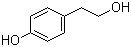
4-Hydroxyphenethyl alcohol, also known as 4-hydroxyphenylethanol, is a naturally occurring organic compound that belongs to the class of phenyl ethanol derivatives. It has a phenolic structure with a hydroxyl group (-OH) attached to the benzene ring at the para position relative to the ethanol side chain. This compound has garnered attention due to its presence in various natural sources, including flowers, fruits, and plants, and its diverse applications in the fragrance, pharmaceutical, and food industries.
The discovery of 4-hydroxyphenethyl alcohol dates back to the early 20th century, when it was first isolated from natural sources like rose oil and other floral extracts. It is now known to be a common component in the essential oils of several plants, including roses, jasmine, and geraniums. Over time, the compound was synthesized in the laboratory, and its structural characteristics were elucidated. Since its discovery, 4-hydroxyphenethyl alcohol has found a variety of uses, particularly in the fields of perfumery, food flavoring, and medicinal chemistry.
One of the most prominent applications of 4-hydroxyphenethyl alcohol is in the fragrance industry. It is widely used as a key ingredient in perfumes and other scented products due to its pleasant floral and sweet odor. Its scent profile closely resembles that of roses, which is why it is often referred to as "rose alcohol." This aromatic property makes it a valuable component in the formulation of perfumes, air fresheners, and scented candles. Additionally, its presence in rose oil enhances the fragrance of cosmetic products like soaps, lotions, and shampoos. The ability of 4-hydroxyphenethyl alcohol to impart a fresh, floral scent has made it a staple in both commercial and artisanal perfume making.
In the food industry, 4-hydroxyphenethyl alcohol serves as a flavoring agent. It is used to enhance the taste of various food products, particularly those that require a floral or fruity note. It is found in a range of flavorings, including those used in beverages, baked goods, and confectioneries. The compound has a mild, sweet, and slightly fruity flavor, making it suitable for flavoring products like fruit juices, candies, and even chocolate. Additionally, 4-hydroxyphenethyl alcohol is sometimes utilized in the formulation of flavor enhancers for savory foods, providing a unique depth and complexity to the overall taste experience.
Beyond its applications in fragrance and flavor, 4-hydroxyphenethyl alcohol also holds potential in the field of medicinal chemistry. Research has suggested that this compound may possess various biological activities, including antimicrobial, antioxidant, and anti-inflammatory properties. These properties make 4-hydroxyphenethyl alcohol an interesting candidate for development as a therapeutic agent. Studies have shown that it can inhibit the growth of certain pathogenic bacteria and fungi, making it a possible ingredient in antimicrobial products such as creams, ointments, and wound dressings. Furthermore, its antioxidant activity could contribute to its use in preventing oxidative stress-related conditions, including skin aging and neurodegenerative diseases.
The compound also demonstrates potential as a mild sedative. Preliminary studies indicate that 4-hydroxyphenethyl alcohol may have calming effects on the central nervous system. It is believed to interact with the GABAergic system, which plays a key role in regulating neuronal activity and promoting relaxation. This property may open up possibilities for its use in the development of products aimed at reducing anxiety or promoting better sleep. However, further clinical trials and research are necessary to establish its efficacy and safety in such applications.
In addition to its biological properties, 4-hydroxyphenethyl alcohol is also of interest in the field of environmental sustainability. It can be synthesized from renewable plant sources, and its production is less reliant on synthetic chemicals compared to other industrial compounds. As a naturally derived substance, it contributes to the growing demand for natural ingredients in a variety of consumer products. Its use in eco-friendly and sustainable products aligns with current trends in the cosmetics and food industries, where consumers increasingly prefer products that are natural, non-toxic, and environmentally responsible.
Overall, 4-hydroxyphenethyl alcohol is a versatile compound with a wide range of applications, from its role in fragrance and flavoring to its potential therapeutic effects. Its pleasant scent and flavor, along with its biological properties, make it an essential ingredient in numerous industries. Ongoing research into its medicinal uses and sustainable production methods may further expand its applications in the future, making it a compound with significant promise in both consumer and healthcare markets.
References
2020. Sulfated Oligomers of Tyrosol: Toward a New Class of Bioinspired Nonsaccharidic Anticoagulants. Biomacromolecules.
DOI: 10.1021/acs.biomac.0c01254
2014. The antioxidant hydroxytyrosol: biotechnological production challenges and opportunities. Applied Microbiology and Biotechnology.
DOI: 10.1007/s00253-014-6310-6
2001. Identification of novel polyphenol oxidase inhibitors by enzymatic one-pot synthesis and deconvolution of combinatorial libraries. Biotechnology and Bioengineering.
DOI: 10.1002/bit.1168
|




 GHS07 Warning Details
 Discovery and Applications