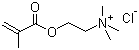
Methacryloyloxyethyl trimethylammonium chloride (METAC) is a quaternary ammonium salt monomer used primarily in polymer chemistry. It is synthesized by the reaction of methacryloyl chloride with ethyltrimethylammonium hydroxide, leading to the formation of a highly reactive monomer containing both a methacrylate group and a quaternary ammonium group. This compound is a water-soluble cationic monomer, which is highly valued for its ability to participate in polymerization reactions, forming polymers with various useful properties.
The discovery of METAC is tied to the growing interest in designing functional monomers that could be incorporated into polymeric materials to impart specific characteristics, such as enhanced ionic conductivity and interaction with biological systems. The methacrylate portion of METAC allows for polymerization, while the trimethylammonium chloride group introduces positive charge to the polymer, making it cationic.
The most prominent application of methacryloyloxyethyl trimethylammonium chloride is in the synthesis of cationic polymers. These polymers have a wide range of industrial and pharmaceutical uses, including their role as flocculants in water treatment. The cationic nature of the polymer allows it to interact with anionic contaminants in water, aiding in the removal of suspended particles, oils, and other pollutants. The ability of METAC-based polymers to form strong electrostatic interactions with anionic compounds makes them highly effective in coagulation and flocculation processes.
In the personal care industry, METAC is used to produce conditioning agents for hair care products. The cationic polymer formed from METAC has a strong affinity for the negatively charged sites on hair fibers, improving hair smoothness, reducing static, and providing a conditioning effect. These polymers are often used in shampoos, conditioners, and other hair treatments to enhance the texture and manageability of hair.
Furthermore, METAC is utilized in the development of biomedical materials. Its cationic nature allows it to interact with negatively charged biological molecules such as proteins, DNA, and cell membranes. This property makes METAC-based polymers useful in drug delivery systems, where they can enhance the cellular uptake of therapeutics or facilitate the release of drugs at targeted sites. METAC's role in gene delivery and tissue engineering applications further highlights its significance in the biomedical field.
In addition to these applications, methacryloyloxyethyl trimethylammonium chloride is used in the formulation of hydrogels, which find applications in wound care and drug delivery systems. The hydrophilic nature of the monomer, combined with its cationic functionality, contributes to the formation of hydrogels that can absorb water and drugs while interacting with biological tissues.
In conclusion, methacryloyloxyethyl trimethylammonium chloride is an important monomer with a range of applications in water treatment, personal care, biomedical materials, and hydrogels. Its ability to form cationic polymers with specific functional properties has made it a valuable compound in a variety of industries, especially those focused on environmental, cosmetic, and pharmaceutical applications.
References
2023. Construction and characterization of chitosan/poly(acrylamide-[2-(methacryloyloxy)ethyl]trimethylammonium chloride) double-network hydrogel with enhanced antibacterial activity. Advanced Composites and Hybrid Materials.
DOI: 10.1007/s42114-023-00773-7
2023. Introducing Antibacterial Property to Silk Fabric by Chemical Grafting of [2-(methacryloyloxy)ethyl] Trimethyl Ammonium Chloride (MAETC). Applied Biochemistry and Microbiology.
DOI: 10.1134/s0003683823060200
|




 GHS07 Warning Details
 chemBlink Chemical Story