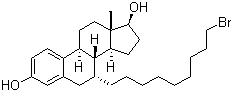
(7a,17b)-7-(9-Bromononyl)estra-1,3,5(10)-triene-3,17-diol, a synthetic steroid compound, belongs to the class of compounds known as estrogens. It is an example of a modified estrogen analog designed for specific pharmaceutical and research applications. The compound’s chemical structure consists of a steroid backbone with bromononyl and hydroxyl groups, indicating its potential for selective interaction with estrogen receptors in various biological systems.
The discovery of such compounds typically stems from the desire to modify the natural estrogen molecules in ways that enhance certain biological effects while minimizing others. Estrogens are vital hormones in the body, playing crucial roles in regulating reproductive functions, bone health, and cardiovascular systems. However, some of their effects can lead to unwanted side effects, particularly in hormone replacement therapies or treatments for hormone-sensitive cancers. The design of analogs like (7a,17b)-7-(9-Bromononyl)estra-1,3,5(10)-triene-3,17-diol seeks to create compounds that can selectively modulate estrogenic activity, with an aim to target specific tissues or pathways more effectively.
In terms of applications, this compound could be of interest in experimental settings related to hormone therapy, reproductive health, and the development of targeted cancer treatments, particularly for estrogen receptor-positive breast cancer. By altering the structure of natural estrogens, scientists can create molecules that may bind more selectively to estrogen receptors in certain tissues while avoiding undesirable effects in others. For example, the introduction of bulky side groups, such as the bromononyl group, can affect the binding affinity and specificity of the compound for estrogen receptors in tissues like the breast or bone, potentially offering therapeutic advantages in certain conditions.
Furthermore, this compound may also be used in research to better understand the role of estrogen receptors in various physiological processes. By studying compounds with modified structures, researchers can gain insights into receptor binding, signal transduction, and the broader impact of estrogenic compounds on cellular functions. In addition, such compounds may be used as tools to investigate estrogen-related diseases, including breast cancer, endometrial cancer, and osteoporosis.
Despite its promising applications, the potential for side effects, including changes in tissue responsiveness or the risk of unwanted estrogenic actions in non-target tissues, remains an area of concern. As with many steroid analogs, careful consideration of dose, route of administration, and long-term impact is necessary when evaluating the therapeutic uses of (7a,17b)-7-(9-Bromononyl)estra-1,3,5(10)-triene-3,17-diol.
In summary, (7a,17b)-7-(9-Bromononyl)estra-1,3,5(10)-triene-3,17-diol is a modified estrogen analog with potential applications in hormone therapy, cancer treatment, and estrogen receptor research. Its discovery highlights the ongoing efforts to develop more selective and targeted therapeutic options that can modulate estrogenic activity in specific tissues while minimizing unwanted side effects.
|





 GHS07;GHS08 Danger Details
 Discovery and Applications